 Nederlands
 English
Sexualised Muguka Use in Mombasa, Kenya
Our Kenyan partner MEWA, has published the findings of their study on cognitive behavioural therapy as an intervention against sexualised muguka use in Kenya. The conclusion? Harm reduction works.
Khat, known as muguka in Kenya, is a plant that acts as a natural amphetamine, increasing heart rate, blood flow, energy and alertness. Muguka is both legally and socially acceptable in Kenya, but sexualised muguka use amongst young people has also been associated with increased rates of unprotected sex and HIV transmission.
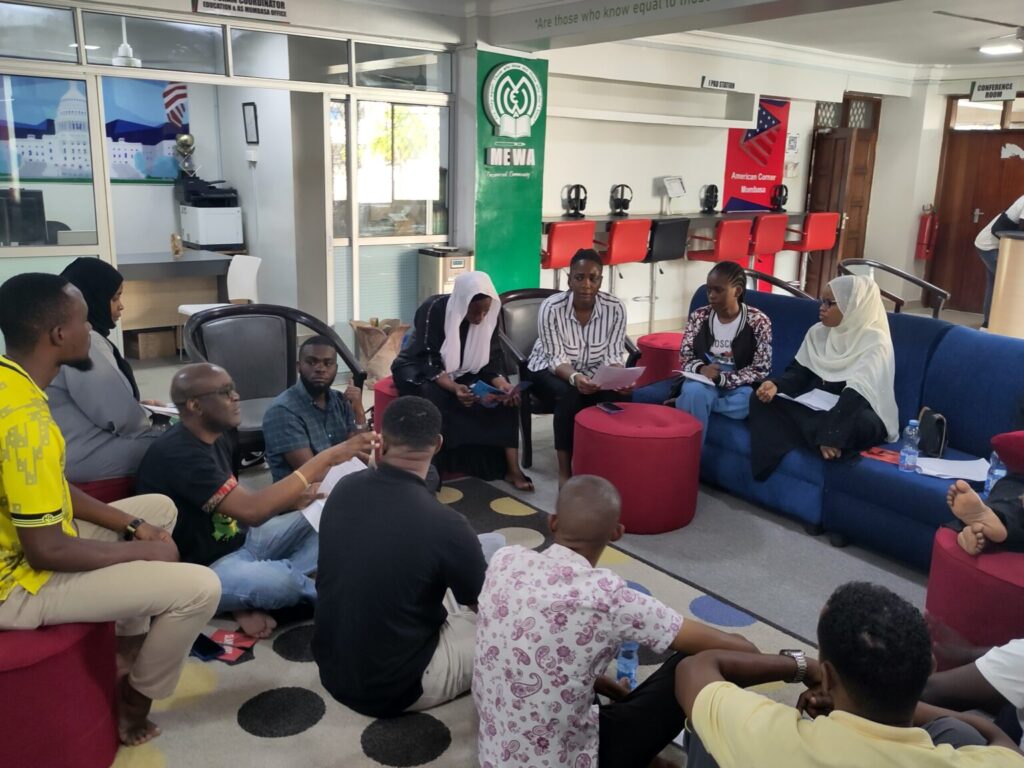
That’s why MEWA (Muslim Education and Welfare Association) have just conducted a 12-week cognitive behavioural therapy (CBT) intervention for young people in Mombasa, Kenya. Respondents were first surveyed about their muguka use and their beliefs around sexualised muguka use, before undergoing a CBT intervention, and were surveyed again at the end of the intervention to see if there were any changes in their attitudes towards muguka.
After undergoing therapy, there was a significant reduction in the frequency of muguka use amongst participants, as well as an increase in risk perception on the effects of muguka, which led to an increase in the frequency of protected sexual intercourse. Respondents also reported improvements in their mental health and financial security as a result of decreased use.
Ultimately, MEWA’s study does not just highlight the effectiveness of CBT in combating problematic sexualised muguka use, but the importance of community-level harm reduction interventions. MEWA’s study clearly shows us one thing: harm reduction works.
Want to read the full article? Click here.